Years of Wrong Creams: Why Rosacea Hides Behind the Label of 'Sensitive Skin'
Photo: Creator:Edgar Vincent Durling, Public domain, via Wikimedia Commons
The average person with rosacea waits years before receiving an accurate diagnosis. In the meantime, many cycle through gentle cleansers, anti-redness creams, and acne products that do little — or actively make things worse. Dermatologists see the consequences of this delay regularly: symptoms that could have been managed early have progressed, blood vessels that were once faintly visible have become permanently prominent, and patients have lost confidence in their own skin care.
The confusion is understandable. Rosacea rarely announces itself clearly. It begins subtly, often in adulthood, and mimics conditions people already think they understand.
Why the Diagnosis Takes So Long
Rosacea typically develops after age 30, in people who never had significant skin problems before. The first sign is usually flushing — a warmth and redness across the cheeks, nose, chin, or central forehead that comes and goes. Because it fades, many people dismiss it as a reaction to wine, spicy food, embarrassment, or a hot day.
Over time, however, the redness lingers longer and eventually stops fading altogether. Small, pimple-like bumps may appear, which is why rosacea is so often mistaken for adult acne — or why, in men, the skin changes are sometimes attributed to simple sun exposure.
Complicating matters further, many people with rosacea describe their skin as "sensitive" long before any diagnosis. Stinging, burning, and intolerance of products they once used comfortably are genuine rosacea symptoms, not a separate cosmetic complaint. Without a professional evaluation, the condition hides behind a label that sounds benign and manageable.
The Four Recognized Subtypes
Rosacea is not a single presentation. Dermatologists recognize four distinct patterns, and patients may show features of more than one:
- Erythematotelangiectatic rosacea — persistent redness with visible small blood vessels (telangiectasias) and a tendency to flush easily.
- Papulopustular rosacea — redness accompanied by acne-like bumps and pustules, often mistaken for a breakout that never resolves.
- Phymatous rosacea — thickened, bumpy skin, most often on the nose. This subtype is more common in men and tends to develop after years of untreated disease.
- Ocular rosacea — eye involvement, including redness, dryness, a gritty sensation, and swollen eyelids. Some patients experience eye symptoms before any noticeable skin changes.
The phymatous subtype illustrates why early diagnosis matters. The thickened skin of rhinophyma — the enlarged, bulbous nose sometimes seen in older men — develops gradually and is far easier to prevent than to reverse.
Signs It's Time to See a Dermatologist
Consider a professional evaluation if you notice any of the following:
- Flushing or redness on the central face that recurs or persists
- Small bumps or pustules that resemble acne but do not respond to acne treatment
- Stinging or burning skin that reacts to products you previously tolerated
- Visible blood vessels on the cheeks or nose
- Persistent eye irritation, dryness, or redness
- Thickening or enlargement of the skin on the nose
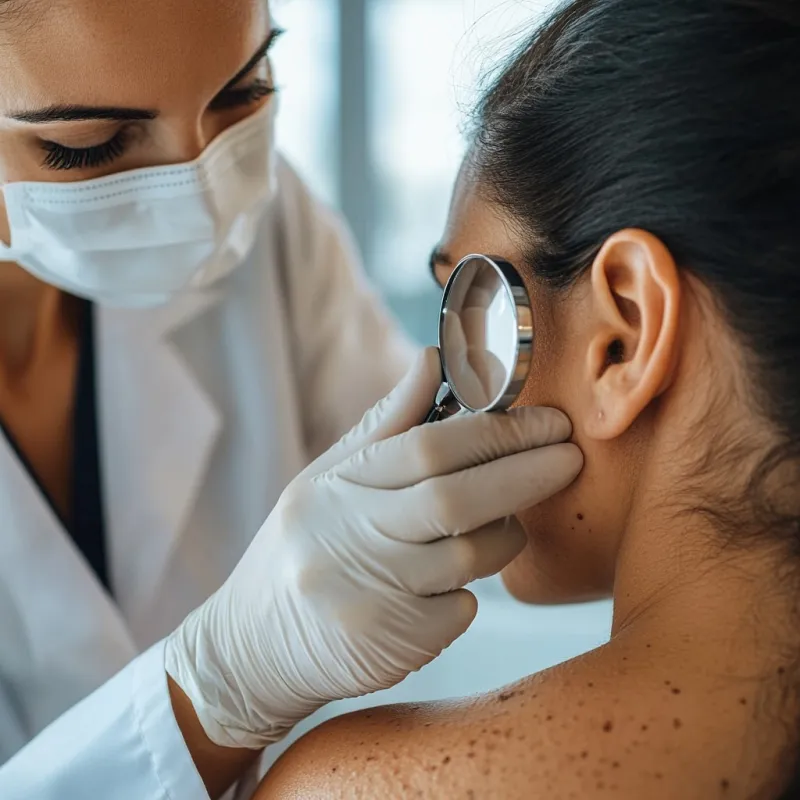
A board-certified dermatologist can usually diagnose rosacea through a visual examination. There is no blood test or biopsy required in typical cases — which makes the expertise of the clinician the decisive factor.
Why Flushing Deserves Medical Attention
Triggers vary from person to person, but common culprits include alcohol (particularly red wine), spicy foods, hot beverages, heat, sun exposure, emotional stress, and strenuous exercise. Some people also react to certain medications.
It is tempting to treat flushing as a cosmetic inconvenience and reach for an over-the-counter "redness-reducing" product. The problem is twofold. First, these products do nothing to address the underlying inflammatory process. Second, many contain ingredients — menthol, camphor, fragrance, certain alcohols — that irritate rosacea-prone skin and intensify the very redness they promise to reduce.
Identifying your personal triggers, often with a symptom diary, is a cornerstone of management. But trigger avoidance alone rarely controls the disease. Medical treatment — topical anti-inflammatory medications, oral antibiotics for their anti-inflammatory effect, laser and light therapy for visible blood vessels, and targeted treatments for ocular symptoms — can meaningfully reduce both the signs and the progression of rosacea.
The Cost of Waiting
Rosacea is chronic. It does not resolve on its own, and untreated symptoms tend to escalate. Blood vessels that dilate repeatedly can become permanently visible. The emotional toll is real as well; research consistently links visible facial redness to reduced self-esteem and social avoidance.
None of this is inevitable. Patients who are diagnosed early and treated consistently often achieve long stretches of clear, comfortable skin. The first step is reframing the question: if your "sensitive skin" has been red, bumpy, or reactive for months, it may not be sensitive skin at all. It may be a treatable medical condition that deserves more than a cream from the drugstore shelf.