Barrier Repair or Marketing Repair? What Dermatologists Actually Say About the $12 Billion Moisturizer Boom
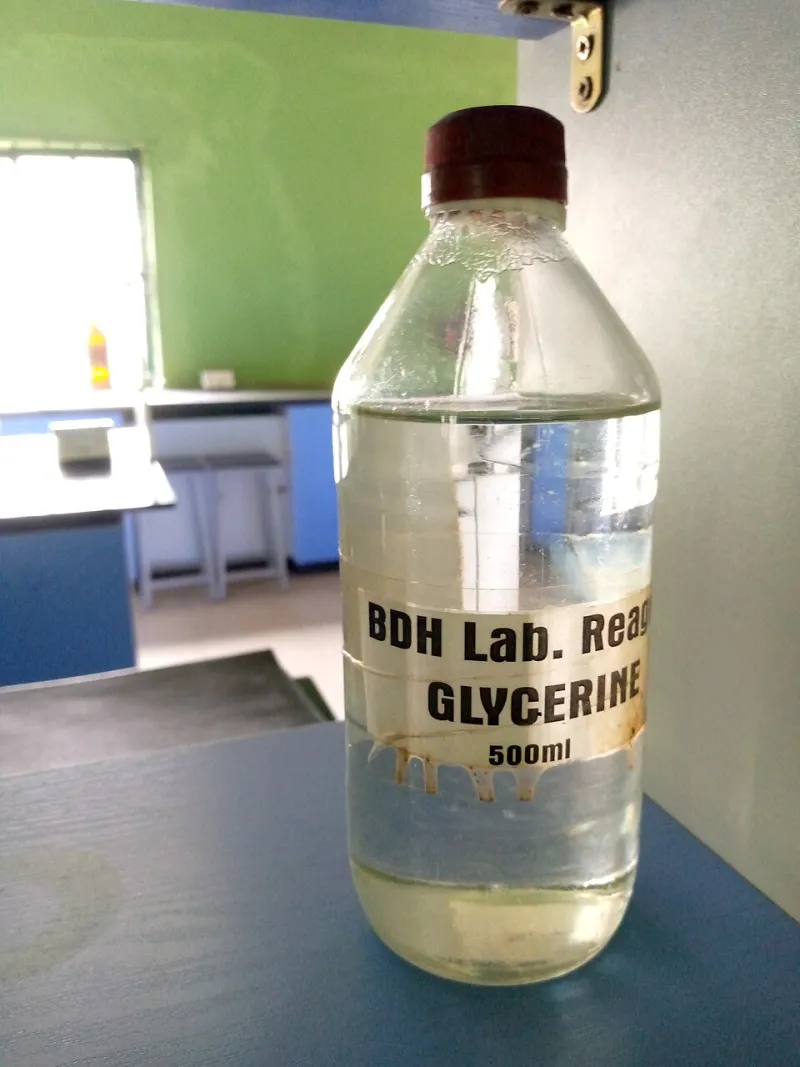
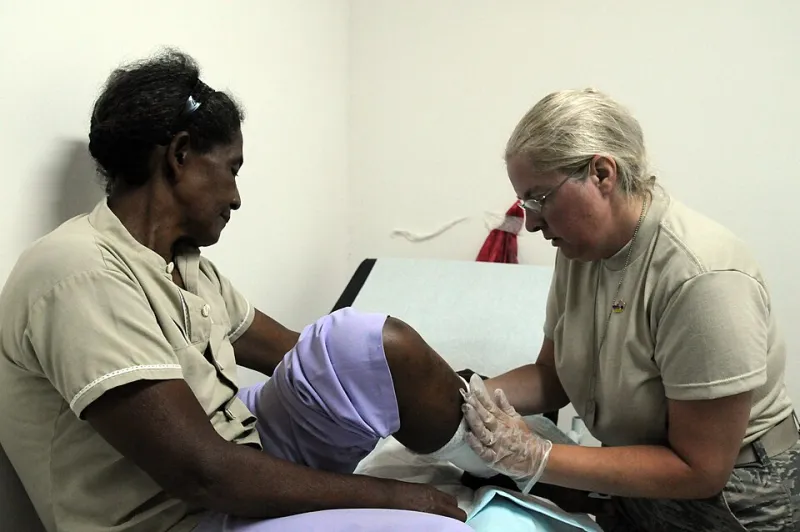
Photo: Jeremyida002, CC BY-SA 4.0, via Wikimedia Commons
A Market Built on a Real Problem
The American moisturizer market now exceeds $12 billion annually, and a growing share of that spending is driven by a single phrase: "barrier repair." Shelf after shelf promises to rebuild, restore, or rescue the skin barrier. The irony is hard to miss — as barrier-focused products have proliferated, board-certified dermatologists report a steady rise in patients presenting with the very condition these products claim to treat: a compromised skin barrier.
The skin barrier is not a marketing abstraction. It is the stratum corneum, the outermost layer of skin, where corneocytes are held together by lipids in a structure dermatologists often compare to bricks and mortar. When that mortar is intact, skin holds in water and keeps irritants out. When it is disrupted, patients experience stinging, flaking, redness, and heightened sensitivity to products they previously tolerated.
What the Evidence Supports
Not all moisturizers are created equal, and the ingredients that matter most are often the least glamorous on the label.
Ceramides. These lipids are naturally present in the stratum corneum, and clinical studies have shown that ceramide-containing moisturizers improve skin hydration and reduce transepidermal water loss. For patients with compromised barriers, this is among the best-supported ingredient categories.
Humectants such as glycerin and hyaluronic acid. These draw water into the upper layers of skin. Glycerin in particular has decades of research behind it and remains a workhorse in dermatologist-recommended formulations.
Occlusives such as petrolatum. Long dismissed as old-fashioned, petrolatum remains one of the most effective barrier-sealing ingredients available. It reduces water loss substantially and is frequently recommended after dermatologic procedures precisely because it works.
Niacinamide. At properly formulated concentrations, this form of vitamin B3 has been shown to support ceramide production and calm visible redness.
Where Marketing Outpaces the Science
Then there are the claims that sound compelling but rest on thin evidence. "Microbiome-balancing" formulas, exotic botanical extracts at undisclosed concentrations, and single-use "barrier serums" priced at ten times the cost of an evidence-based moisturizer all warrant skepticism. A higher price point does not correlate with better barrier outcomes in any published literature dermatologists rely on.
A practical checklist for evaluating any product:
- Does it list ceramides, glycerin, or petrolatum among the core ingredients?
- Is it fragrance-free? Fragrance is a leading cause of contact dermatitis and offers no barrier benefit.
- Does the packaging protect the formula, or is it a jar that invites degradation of actives?
- Does the brand make modest, specific claims rather than promising transformation?
- Would this product look out of place in a dermatologist's own medicine cabinet?
The Over-Exfoliation Problem
Perhaps the most significant driver of barrier damage is not a bad moisturizer — it is too much of everything else. The popularization of daily chemical exfoliants, layering acids, at-home dermaplaning, and "glass skin" routines has produced a wave of patients whose skin is chronically irritated. Dermatology practices across the country describe a recognizable presentation: a patient using five to seven active products who now tolerates none of them.
The corrective advice is unglamorous but effective. Stop all exfoliation. Simplify to a gentle cleanser, a plain moisturizer, and sunscreen. In many cases, barrier function recovers within two to four weeks. Reintroduce actives slowly, one at a time, and never daily at first.
A Reasonable Standard
The barrier repair trend has one genuine benefit: it has normalized moisturizing among Americans who once considered it optional. The goal now is to align spending with evidence. A modest, consistent routine built on proven ingredients will outperform an expensive shelf of trend-driven products every time. When irritation persists despite simplification, or when a rash does not resolve within a few weeks of basic care, that is the point at which a board-certified dermatologist should evaluate the skin — not a product label.