The Dry Heat Problem: Why American Winters Wreck Your Skin Barrier
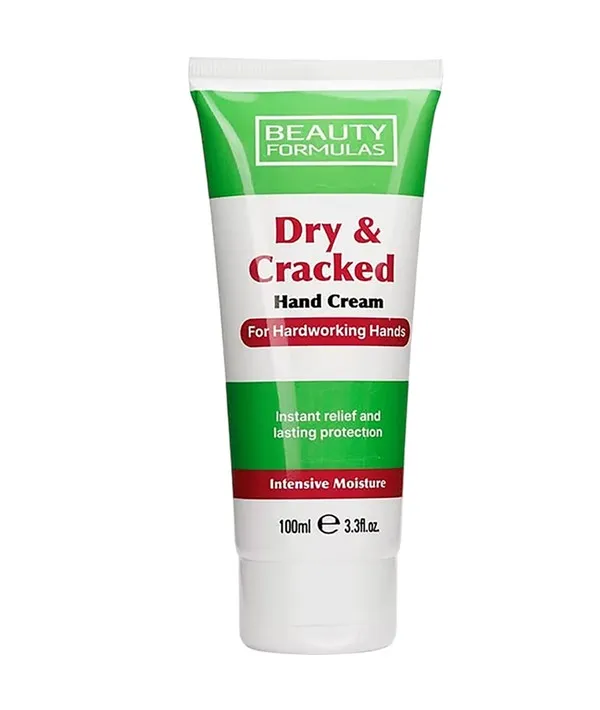
Photo: cracked dry hands winter moisturizer cold weather, via www.pakswholesale.com
Every year, sometime between the first frost and the first furnace cycle, the pattern repeats in dermatology offices nationwide. Patients arrive with split fingertips, lips that sting no matter what they apply, and legs so itchy they disturb sleep. The culprit is rarely exotic. It is the combination of cold outdoor air and dry indoor heat — an environment that quietly strips moisture from the outermost layer of skin for months at a time.
The good news: winter skin damage is largely preventable, and the strategies that work are neither expensive nor complicated. They simply require understanding what cold air and central heating actually do to your skin.
What Heating Season Does to Your Skin
Your skin's outer layer — the stratum corneum — functions as a living seal, holding water in while keeping irritants out. That seal depends on a delicate balance of lipids, corneocytes, and natural moisturizing factors. When this system works, water escapes at a slow, controlled rate through a process dermatologists call transepidermal water loss, or TEWL.
Cold, dry air disrupts that balance in two ways. First, cold temperatures reduce the activity of the enzymes responsible for maintaining the barrier and producing lipids. Second, the air itself becomes desiccated: cold air holds little moisture, and warming that air indoors — as forced-air furnaces, baseboard heaters, and wood stoves do — drives relative humidity even lower. In many American homes in January, indoor humidity drops below 20 percent, comparable to conditions in a desert.
When ambient humidity falls, the moisture gradient between your skin and the air steepens, and TEWL accelerates. Skin that loses water faster than it can be replenished becomes dry, tight, and — eventually — cracked. Once fissures form, irritants and allergens gain access to deeper layers, which is why dry winter skin so often becomes itchy, inflamed skin.
A Room-by-Room Prevention Plan
The thermostat and the humidifier. Aim to keep indoor humidity between 40 and 50 percent; an inexpensive hygrometer can confirm your levels. A whole-home humidifier helps, but a properly sized room humidifier in the bedroom delivers most of the benefit, since you spend hours breathing and sleeping in that space. Keep the thermostat moderate — higher heat means drier air.
The bathroom. Hot, long showers feel restorative in January, but they dissolve the lipids that hold your barrier together. Dermatologists recommend lukewarm water, showers under 10 minutes, and a gentle, fragrance-free cleanser used only where needed. Apply moisturizer within three minutes of toweling off, while skin is still damp — this is the single highest-impact habit change most people can make.
The kitchen. Frequent handwashing and dishwashing strip skin faster than almost anything else in winter. Use lukewarm water, a moisturizing hand cleanser, and cotton-lined rubber gloves for wet work. Keep a tube of ointment at the sink and reapply after every wash.
Outdoors. Cold wind accelerates water loss and can trigger windburn — actually an irritant reaction, not a burn — on the cheeks and around the eyes. A broad-spectrum SPF 30 or higher sunscreen remains essential in winter; UV rays reflect off snow and penetrate clouds. A thick balm applied to lips and high-risk areas before exposure adds a physical seal.
Humectants, Emollients, and Occlusives: How to Layer Them
Not all moisturizers work the same way, and winter is when the differences matter most.
- Humectants — glycerin, hyaluronic acid, urea — draw water into the upper layers of skin. They work best when applied to damp skin and sealed afterward.
- Emollients — ingredients such as ceramides, squalane, and fatty acids — replenish the lipid matrix and smooth rough texture.
- Occlusives — petrolatum, mineral oil, lanolin — form a physical film that slows evaporation. Petrolatum remains the benchmark, reducing water loss by nearly 99 percent.
For maintenance, a ceramide-based cream applied to damp skin twice daily is usually sufficient. For already-damaged skin, dermatologists often suggest layering: a humectant serum, then a rich emollient cream, then a thin layer of ointment over the driest areas at night. Thin lotions with high alcohol content, however elegant they feel, are frequently too lightweight for midwinter.
When Self-Care Isn't Enough
Most winter dryness responds to consistent care within one to two weeks. Certain signs, however, warrant a visit to a board-certified dermatologist:
- Lip cracks that persist beyond two or three weeks despite regular balm use, especially a sore on one lip that will not heal, deserves professional evaluation.
- Deep, painful finger fissures that bleed or interfere with daily tasks may indicate eczema rather than simple dryness, and often require prescription topical treatment.
- Widespread itching that disrupts sleep, or skin that is red, swollen, or oozing, may signal a condition such as asteatotic eczema or an infection entering through cracked skin.
- A rash that appears only in winter but recurs every year is worth documenting and diagnosing properly rather than treating repeatedly.
Winter will always be hard on skin in most of the United States. But with humidity managed, showers shortened, and the right moisturizer applied at the right moment, the cracked, itchy season is far from inevitable — and your skin barrier can arrive at spring intact.