Virality Is Not a Medical License: A Dermatologist's Case Against Skin Care Trends
Photo: Crew crew, CC0, via Wikimedia Commons
Every generation has had its share of dubious beauty advice passed along by word of mouth. What is different now is scale and speed. A single short video demonstrating a homemade chemical peel can reach millions of viewers within days, and dermatologists nationwide are seeing the consequences in their exam rooms: chemical burns, destroyed pigment, infected skin, and delayed diagnoses of skin cancer.
The Trends That Cause the Most Damage
DIY mole removal. Perhaps the most dangerous category. Kits sold online — containing caustic pastes, acids, or devices marketed for at-home lesion removal — invite patients to destroy tissue they cannot see beneath. When the lesion in question is a melanoma, removing the surface destroys the diagnostic evidence while leaving malignant cells potentially intact and unmonitored. Dermatologists have documented cases in which patients who self-treated moles returned months later with advanced disease.
Homemade chemical peels. Recipes circulating online call for concentrated salicylic acid, industrial-strength glycolic compounds, or household chemicals applied at concentrations far exceeding anything used in professional settings. The result is frequently a chemical burn — an injury that can cause scarring and post-inflammatory hyperpigmentation, particularly in patients with darker skin tones.
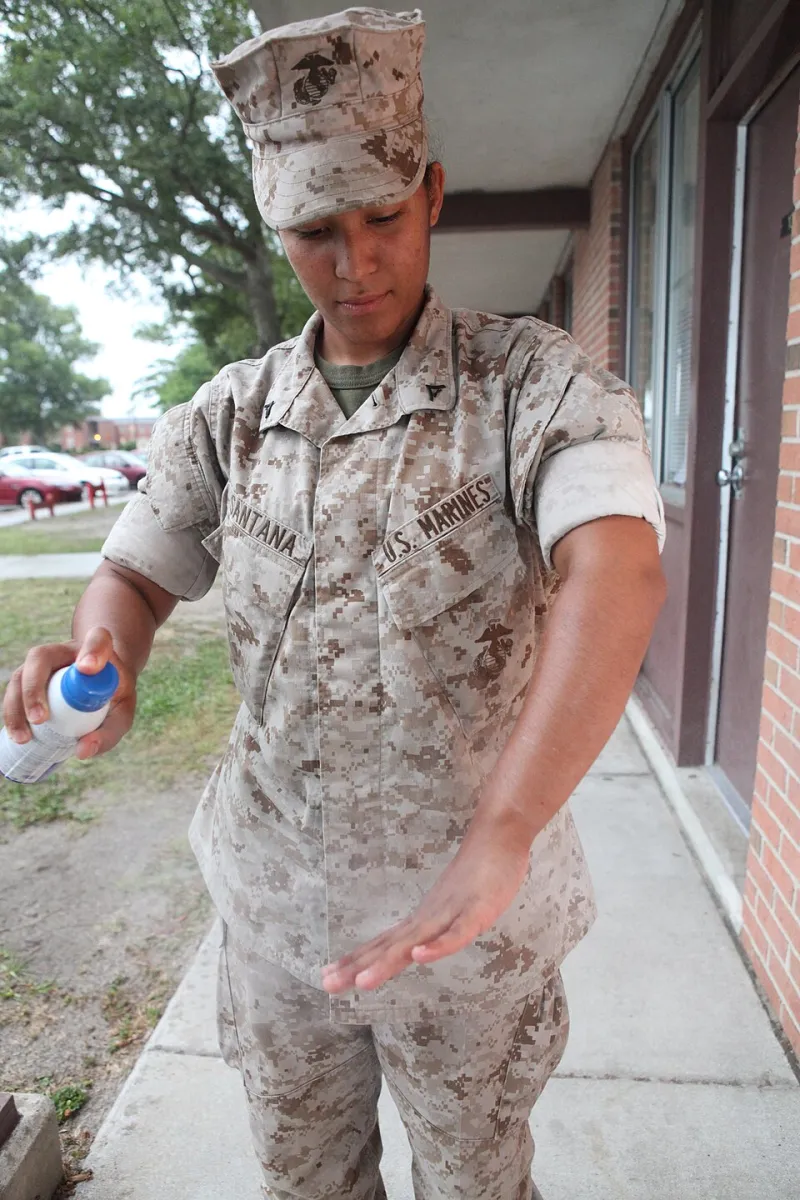
Sunscreen contouring. This trend, in which sunscreen is deliberately applied to only some areas of the face to sculpt "tan lines," inverts the single most effective skin cancer prevention behavior available. Dermatologists have been unanimous in their response: there is no safe dose of deliberate sun exposure for cosmetic purposes.
Rubbing citrus, garlic, or baking soda on the skin. These kitchen-based remedies can cause phytophotodermatitis (a burn-like reaction when citrus meets sunlight), chemical irritation, and disruption of the skin's acid mantle.
Why These Videos Spread
The mechanics are not mysterious. Short-form video rewards dramatic before-and-after transformations, and skin injury followed by apparent "healing" can look like a success story in a 30-second clip. Compounding the problem, many creators have no medical training and face no accountability when viewers are harmed. The recommendation algorithms optimize for engagement, not accuracy — and a video of a mole falling off is far more engaging than a video of a careful, in-office biopsy.
There is also a trust asymmetry at work. Some patients perceive dermatologists as gatekeepers of expensive treatments, while a creator presenting a $9 "natural alternative" appears relatable and honest. That perception is understandable — and it is exactly what makes the content persuasive.
A Four-Question Framework Before You Try Anything
Before attempting any skin treatment you encountered online, ask:
- Who is speaking, and what are their credentials? Board certification matters. Verify whether the person demonstrating a procedure is a licensed professional in the United States.
- Is the claim mechanistically plausible? "This acid dissolves moles" should prompt the question: dissolves them how, and what else does it dissolve?
- What are the risks, and who bears them? If a video shows only successes, that itself is a red flag. Complications are systematically edited out of viral content.
- Does this delay proper care? The cost of a dermatology visit is measured against the cost of a missed melanoma diagnosis, not against the price of the alternative.
What Advocacy Looks Like Now
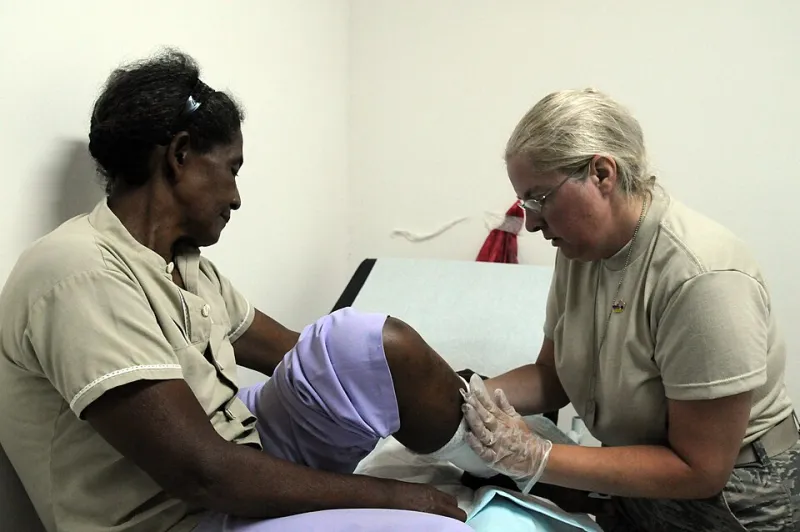
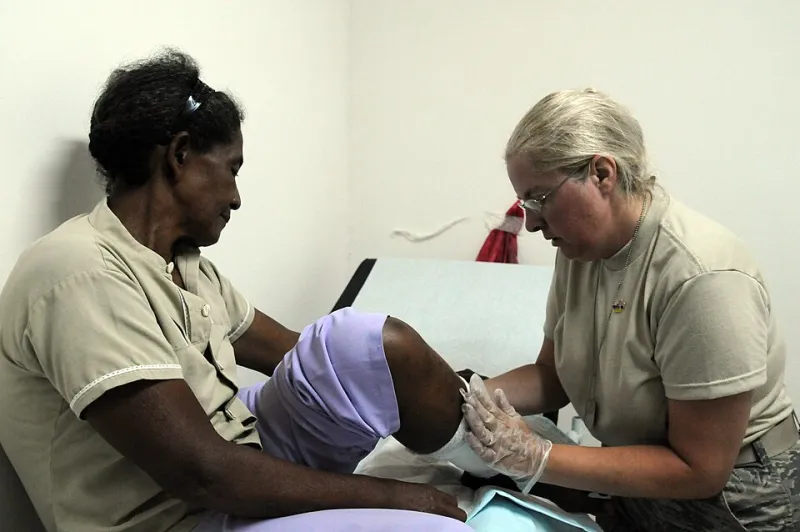
Patient advocacy in dermatology has expanded beyond insurance appeals and access to care. It now includes helping the public navigate an information environment engineered to reward the dramatic over the accurate. If a mole changes, bleeds, or behaves differently from its neighbors, the correct response is examination by a board-certified dermatologist — not a kit ordered online.
Your skin will forgive a lot. It will not forgive a caustic burn over an undiagnosed cancer. When in doubt, close the app and make the appointment.