When Everyday Metal Leaves a Mark: Understanding Nickel Allergy
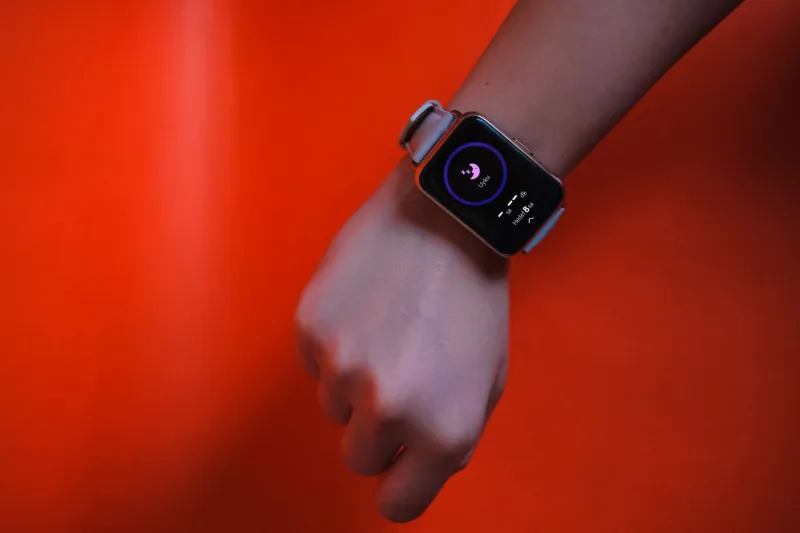
A ring of redness under a watchband. Itchy earlobes after wearing a favorite pair of earrings. A stubborn rash on the lower abdomen that appears only with certain jeans. These patterns may look unrelated, but they can share a common cause: allergic contact dermatitis to nickel.
Nickel is a durable, corrosion-resistant metal used in countless consumer products. For people who develop an allergy to it, even brief contact can set off a delayed skin reaction. The challenge is that nickel is often present in places patients do not expect — not only in jewelry, but also in phone hardware, clothing fasteners, keys, tools, and everyday electronics.
A Rash With a Memory
Nickel allergy is a form of delayed hypersensitivity. The immune system learns to recognize nickel as a threat, and subsequent exposures can produce redness, swelling, itching, dryness, or small blisters. The reaction usually does not appear immediately. It may develop hours to days after contact, which makes the connection between an object and a rash easy to miss.
Because the response is delayed, patients sometimes blame a new lotion, a change in weather, or a period of stress. Those factors can worsen skin irritation, but they do not explain a rash that repeatedly appears in the same location — under a belt buckle, behind the ears, on the wrist, or where a phone rests against the cheek.
Nickel allergy is one of the most common causes of allergic contact dermatitis in the United States. It is especially common among people with pierced ears, but anyone can develop it. Once sensitized, a person may react to very small amounts of nickel released from metal surfaces, particularly when sweat, friction, or prolonged contact is involved.
Where Nickel Hides
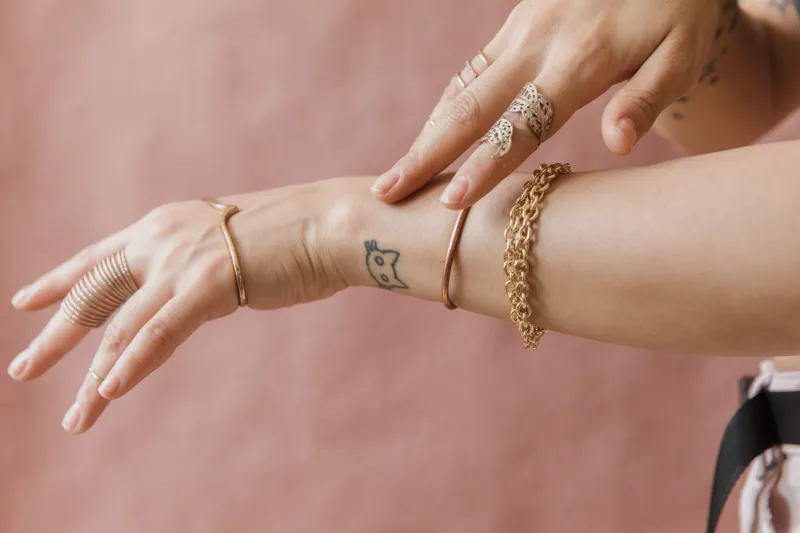
The usual suspects are familiar: costume jewelry, watchbands, belt buckles, zippers, snaps, rivets, eyeglass frames, and metal buttons on jeans. Less obvious sources include keys, coins, scissors, hairpins, tweezers, nail clippers, and the metal components of tools or work equipment.
Cell phones deserve particular attention. A phone case may cover the outer shell, but metal buttons, screws, camera rings, charging ports, and decorative trim can still contact the skin. People who hold a phone against the side of the face for long calls may develop a rash on the cheek, jawline, or ear. Tablets, laptops, and headphones can pose similar risks.
Clothing is another common source. The inside button of a pair of jeans can press directly against the abdomen, and a belt buckle can rest against the skin for hours. Sweat increases the release of nickel from some metal alloys, which helps explain why rashes often flare in warm weather or during physical activity.
Nickel can also appear in less expected places: the metal casing of a cosmetic compact, the handle of a shopping cart, the frame of a stroller, or the metal clasp of a handbag. For most patients, the goal is not to eliminate every possible exposure. It is to identify the items that matter most and reduce contact consistently.
Why Sweat and Fit Matter
Nickel release depends on the metal, the coating, and the environment. Moisture and friction can increase the amount of nickel that leaches onto the skin. A tight watchband, a heavy belt buckle, or earrings worn in freshly pierced ears may create the combination of pressure, sweat, and prolonged contact that makes a reaction more likely.
Pierced ears are a well-known risk factor. Ear piercing can expose the immune system to nickel at a time when the skin barrier is healing, and earrings made with nickel-containing alloys are common. For people who are already sensitized, even brief wear of costume jewelry can trigger itchy, red earlobes or a rash that spreads down the side of the neck.
What a Patch Test Shows
A dermatologist can evaluate suspected nickel allergy with a patch test. Unlike a skin prick test, which assesses immediate allergic reactions, a patch test is designed to detect delayed hypersensitivity. Small amounts of test substances are applied to the back under adhesive patches and left in place for several days. The skin is checked at scheduled visits to see whether a reaction develops.
Patch testing can confirm nickel allergy and help distinguish it from other forms of dermatitis, including irritant contact dermatitis, eczema, and psoriasis. The test also allows the dermatologist to assess whether other allergens — such as cobalt, fragrance, or rubber chemicals — may be contributing. A single rash can have more than one cause.
Nickel spot-test kits sold for home use may help patients screen personal items, but they are not a substitute for a medical evaluation. Results can be affected by coatings, alloys, and testing technique. A dermatologist can interpret the clinical picture and recommend a practical avoidance plan.
Reducing Exposure Without Overcorrecting
For many patients, the most effective step is to identify high-contact items and replace or cover them. Jewelry labeled nickel-free, titanium, or surgical stainless steel may be better tolerated, though labels are not standardized and individual reactions vary. Earrings should be chosen with sensitive skin in mind, especially during the first year after piercing.
A phone case can create a barrier between the skin and metal hardware, and speakerphone or a headset can reduce prolonged facial contact. For jeans, a small iron-on patch or a piece of soft fabric can cover the inside button. Belt buckles can be shielded with a fabric barrier, and watchbands can be loosened or swapped for materials that do not contain nickel.
Barrier products, clear nail polish, and commercial nickel-guard coatings are sometimes used, but they are temporary and may wear away. They are best viewed as short-term aids rather than permanent solutions. In occupational settings, gloves and protective clothing may be necessary, and workplace evaluation can help identify sources of exposure.
Calming the Skin
When a nickel rash is active, the skin barrier is inflamed and more vulnerable to irritation. Gentle skin care can support healing: use lukewarm water, a mild fragrance-free cleanser, and a bland moisturizer. Avoid scrubbing, harsh soaps, and fragrances that may further irritate the skin. Topical corticosteroids or other prescription treatments may be appropriate for more significant inflammation, but they should be used under a dermatologist's guidance.
Some patients wonder whether dietary nickel plays a role. Nickel is present in certain foods, and a subset of patients with nickel allergy may notice symptoms related to diet. However, dietary restriction is not appropriate for everyone and should be considered only with medical supervision. The first step is usually to address skin contact.
When to Seek Care
A recurring rash deserves a careful evaluation, especially when it appears in the same location, worsens with certain clothing or jewelry, or does not improve with over-the-counter creams. Dermatologists can confirm the diagnosis, rule out look-alike conditions, and build an avoidance plan that fits the patient's daily life.
Nickel allergy is manageable, but it requires pattern recognition. The metal in a pocket, the button on a pair of jeans, or the clasp on a favorite necklace may be the overlooked link. With a patch test and practical guidance, patients can often reduce flares and protect their skin without giving up the objects they use every day.